
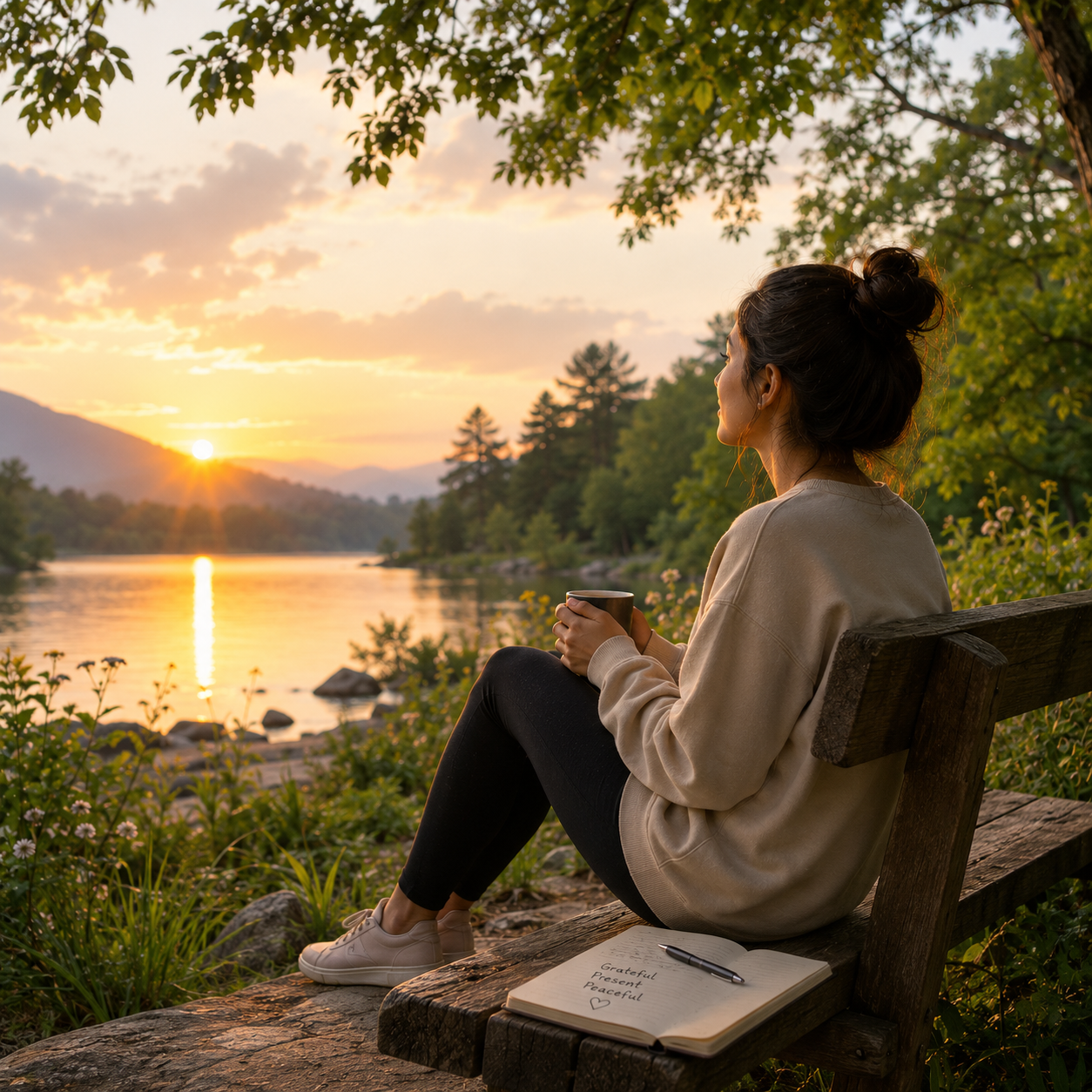
Modern life can keep us surrounded by screens, notifications, deadlines, traffic, and constant responsibilities. As a result, finding moments of genuine quiet can sometimes feel difficult. This is where nature and mental health can become an important part of a healthier everyday routine.
A walk through a park, time in a garden, or even a few peaceful minutes outdoors can provide a welcome change from a busy indoor environment. Rather than requiring a major lifestyle change, outdoor time can become a simple habit that fits naturally into your existing schedule.
More importantly, spending time in nature isn’t about escaping responsibilities. Instead, it can create an opportunity to slow down, move your body, notice your surroundings, and return to your day with a refreshed perspective.
Why Nature and Mental Health Are Connected
Our surroundings can influence where we place our attention and how we experience our day. Busy environments often require constant focus, while natural surroundings can offer a calmer change of pace.
For that reason, regular outdoor time may support several aspects of everyday well-being. A peaceful walk can encourage movement, while sitting somewhere green can provide a break from screens and notifications. At the same time, observing your surroundings can create a simple opportunity to practise mindfulness.
These experiences don’t solve every mental health challenge. Nevertheless, they can complement other healthy habits and contribute to a balanced lifestyle.
8 Benefits of Spending Time in Nature
1. Nature Creates a Mental Break
A busy day can leave your attention moving from one responsibility to another. Perhaps an unfinished assignment is on your mind while messages continue arriving on your phone. Consequently, your brain may have very little opportunity to experience a genuine pause.
Stepping outside can interrupt that pattern.
A short walk gives your attention something different to focus on. Trees, buildings, sounds, changing light, and movement around you can gradually shift your awareness away from your immediate workload.
Even when the break lasts only a few minutes, the change of environment can make the day feel less repetitive.
2. Outdoor Time Can Encourage Relaxation
Stress can accumulate gradually. A demanding meeting, difficult assignment, crowded commute, or unexpected problem may each add another layer of pressure.
Spending some time outdoors can provide a useful opportunity to slow down. Sitting in a quiet park, walking through a garden, or relaxing near trees may feel very different from remaining in the same environment where stressful tasks take place.
Rather than forcing yourself to relax, simply allow the surroundings to become part of your attention. Over time, this can turn a short outdoor break into a calming part of your routine.
3. Nature Encourages Physical Activity
Outdoor environments naturally create opportunities for movement. A person might walk around the neighborhood, explore a nearby park, cycle along a path, or spend time gardening.
Physical activity and outdoor time can therefore become part of the same healthy routine. There’s no requirement to turn every outdoor activity into an intense workout. A comfortable walk can be enough to get your body moving while giving your mind a change of scenery.
Furthermore, choosing an activity you genuinely enjoy can make the habit easier to maintain.
4. Time Outside Can Give Your Attention a Break
Constant digital stimulation can make it harder to remain focused. Notifications, social media, short videos, emails, and multiple open tabs can encourage frequent shifts in attention.
Going outdoors creates an opportunity to step away from that environment.
For example, try taking a short walk without checking your phone repeatedly. Instead, notice the sounds around you, observe the people passing by, or pay attention to the changing surroundings.
As a result, an outdoor break can become more than physical movement. It can also provide valuable distance from constant digital input.
5. Nature Can Encourage Mindfulness
Mindfulness involves paying attention to the present moment rather than becoming completely absorbed in thoughts about the past or future. Nature provides many simple opportunities to practise this skill.
While walking, notice how your feet feel against the ground. Listen to nearby sounds and observe the colors, shapes, and movement around you. Even the feeling of sunlight or a gentle breeze can bring your attention back to the present.
There’s no need for a complicated technique.
Simply noticing what’s happening around you can turn an ordinary walk into a brief mindfulness practice.
6. Outdoor Spaces Can Support Self-Reflection
A change of environment can sometimes make it easier to think about a situation clearly. When you’re dealing with a difficult decision or feeling overwhelmed, taking a short walk may give you some mental space before you respond.
During that time, consider what is actually within your control. Another useful question is what matters most in the situation and what small action could help.
Of course, walking won’t automatically solve a difficult problem. However, creating physical distance from your usual workspace may help you approach the situation from another perspective.
7. Nature Provides an Opportunity to Disconnect
Digital devices have become an important part of everyday life. They help us communicate, study, work, and stay informed. At the same time, constant connection can become tiring.
An outdoor routine can create a natural opportunity to disconnect.
Try leaving your phone on silent during a familiar walk or keeping it inside your bag while sitting in a peaceful outdoor space. Instead of photographing everything or checking notifications, give yourself permission to experience the surroundings directly.
That small boundary can make outdoor time feel more intentional.
8. Spending Time Outdoors Can Support a Healthier Routine
Healthy habits become easier to maintain when they fit naturally into everyday life. Nature doesn’t have to be a separate project that requires extensive planning.
A morning walk before work or study can become part of your regular schedule. Similarly, a few minutes outside during lunch can provide a useful pause. Evening walks can also create a gentle transition between responsibilities and personal time.
Weekend routines offer another opportunity to explore a local park, garden, walking trail, or other outdoor space.
The activity doesn’t have to be impressive. Consistency matters more than creating a perfect experience.
Nature and Mental Health: You Don’t Need a Perfect Location
Many people associate nature with forests, mountains, beaches, or large national parks. Those places can certainly provide beautiful experiences, but they aren’t the only options.
A small garden, neighborhood park, tree-lined street, balcony with plants, or quiet outdoor area can still provide a change from an indoor setting.
Therefore, work with what is available.
Someone living in a busy city might find a small green space nearby. Another person with a demanding schedule could spend ten minutes outside instead of waiting for an entire free afternoon. When walking isn’t practical, sitting somewhere peaceful and observing the surroundings can still create a useful pause.
The goal is to make nature accessible rather than turning it into another demanding responsibility.
How Students Can Use Nature During Busy Days
Students often spend long periods reading, attending classes, completing assignments, and working on computers. Consequently, outdoor breaks can provide a useful change of environment during demanding academic days.
A short walk between study sessions can help create separation between focused work and rest. Reading notes outdoors may also provide a different setting when the environment is suitable. After completing a challenging assignment, spending a few quiet minutes outside can create a natural transition before starting the next task.
Most importantly, the habit should remain realistic.
A student doesn’t need to spend hours outdoors every day. Even a brief break can become valuable when it is used consistently and intentionally.
Make Your Nature Habit Easy
The best routine is one that you can realistically follow. Therefore, avoid creating unnecessary rules around spending time outdoors.
Visiting a different location every day isn’t necessary. Expensive equipment isn’t required either, and spending hours outside isn’t essential. A simple walk around the neighborhood or a few quiet minutes in a nearby green space can be enough to begin.
When your schedule is limited, choose a convenient time rather than waiting for a perfect opportunity. Perhaps an evening walk fits better than a morning routine. Alternatively, a short break during lunch might work better during a busy workday.
Small adjustments can make the habit easier to repeat.
What If You Don’t Feel Like Going Outside?
Not every day will feel the same. Sometimes you may feel tired, busy, or simply uninterested in leaving home.
Instead of treating outdoor time as another obligation, make the experience more enjoyable. Listening to music during a walk, exploring a different route, meeting a friend, or caring for plants can add variety.
Another approach is to connect outdoor time with something you already enjoy. Morning coffee can be taken outside, for instance, or a few pages of a book can be read in a quiet garden.
When the habit feels pleasant rather than forced, returning to it becomes easier.
A Simple 10-Minute Nature Practice
A short outdoor routine can be enough to get started.
Begin with a comfortable walk or find a peaceful place to sit. During the first few minutes, allow your attention to settle naturally. Afterward, put your phone away and notice what you can see, hear, and feel around you.
Next, take a few slow breaths while observing your surroundings. There’s no need to force your thoughts to disappear. Instead, acknowledge them and gently bring your attention back to the present.
Before returning indoors, consider how you feel compared with when you stepped outside.
This simple practice can gradually become a useful part of your day.
Nature and Mental Health for a More Balanced Lifestyle
A healthy lifestyle isn’t created through one major change. Instead, it develops through several small choices that support your physical and emotional well-being.
Spending time outdoors can work alongside other habits such as regular movement, sufficient rest, meaningful social connections, healthy routines, and time away from screens.
For example, an evening walk could combine movement, fresh air, reflection, and a break from digital devices. Similarly, a weekend visit to a local park could provide an opportunity to spend time with family or friends while enjoying an outdoor environment.
In this way, nature can become part of a broader approach to everyday well-being.
Final Thoughts
The relationship between nature and mental health doesn’t require complicated routines or expensive experiences.
A short walk, a few quiet moments in a garden, or time away from your screen can create valuable space during a busy day. Outdoor activities can encourage movement, support relaxation, provide opportunities for mindfulness, and help you disconnect from constant digital stimulation.
You don’t have to wait for a holiday or a weekend trip to experience these benefits. Start with whatever outdoor space is available to you.
Perhaps begin with ten quiet minutes today. Notice your surroundings, slow your pace, and give your attention a break.
Over time, these small moments can become a meaningful part of a healthier everyday routine.
For another practical way to support everyday well-being, explore Mindfulness for Beginners: Simple Ways to Be More Present Every Day.
For additional information about mental health and well-being, explore the World Health Organization’s mental health resources.
Frequently Asked Questions
1. How can nature support mental health?
Spending time outdoors can provide a break from busy surroundings, encourage physical activity, reduce digital distractions, and create opportunities for relaxation and mindfulness.
2. How much time should I spend in nature?
There isn’t one required amount of time. Starting with a short period, such as ten minutes, can make outdoor time easier to include in a regular routine.
3. Does nature have to mean a forest or large park?
Not at all. Gardens, neighborhood parks, tree-lined streets, balconies with plants, and other accessible outdoor spaces can provide opportunities to connect with natural surroundings.
4. Can students benefit from spending time outdoors?
Yes. Students can use short outdoor breaks to create a change of environment between study sessions and give themselves time away from screens and academic tasks.
5. Can outdoor time replace professional mental health support?
No. Nature can be a helpful well-being habit, but it shouldn’t replace professional support when someone is experiencing persistent or serious mental health difficulties.