
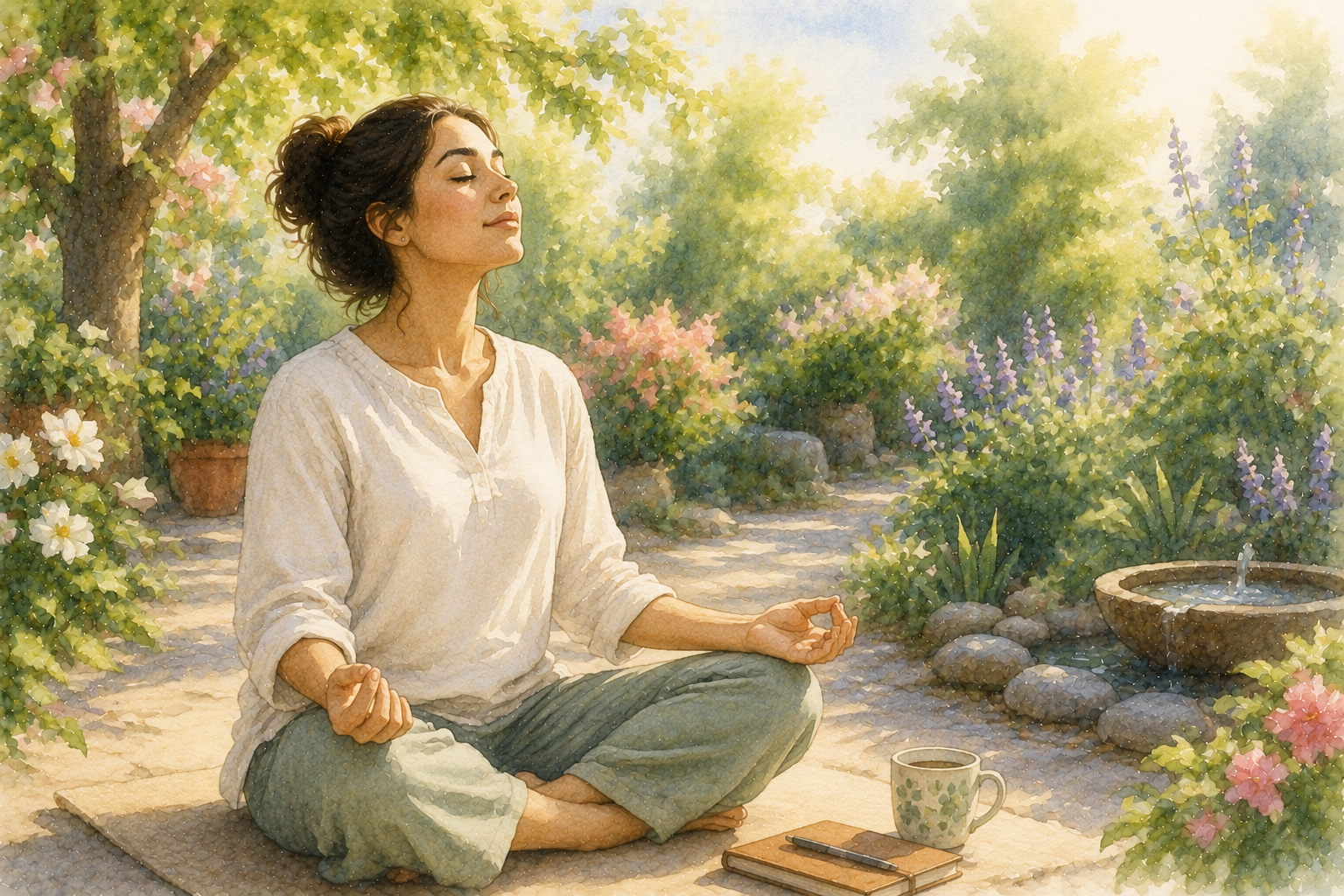
Stress is a natural part of life, but it doesn’t have to control your day. Whether you’re balancing work, family responsibilities, or personal goals, taking time to relax is essential for maintaining both physical and emotional health. Fortunately, learning effective relaxation techniques can help you feel calmer, think more clearly, and respond to challenges with greater confidence.
Many people believe relaxation requires a vacation or several hours of free time. However, even a few minutes of intentional relaxation can make a noticeable difference. Small habits practised consistently often provide greater long-term benefits than occasional breaks.
By incorporating simple relaxation techniques into your routine, you can reduce stress, improve focus, and create a healthier balance between productivity and self-care.
In this article, you’ll discover eight practical relaxation techniques that are easy to practise and suitable for almost any lifestyle.
Why Relaxation Techniques Matter
Daily stress affects both the body and the mind. Over time, constant pressure may contribute to muscle tension, poor concentration, irritability, and sleep difficulties. Therefore, making relaxation a regular habit is an important part of protecting your overall well-being.
Moreover, relaxation doesn’t mean avoiding responsibilities. Instead, it gives your body and mind an opportunity to recover, helping you return to your tasks with renewed energy and a clearer perspective.
People who regularly practise relaxation techniques often experience:
- Lower stress levels
- Better emotional balance
- Improved concentration
- Better sleep quality
- Reduced muscle tension
- Greater resilience
- Improved overall well-being
8 Relaxation Techniques to Reduce Everyday Stress
1. Practise Deep Breathing
Deep breathing is one of the simplest and most effective relaxation techniques.
When you feel overwhelmed, slowly inhale through your nose for four seconds, hold your breath briefly, and then exhale gently through your mouth. Repeat this cycle several times.
As a result, your breathing slows, your muscles begin to relax, and your mind becomes calmer.
2. Spend Time in Nature
Nature provides a peaceful environment that encourages relaxation and mental clarity.
Even a short walk through a local park or sitting quietly in a garden can help reduce stress. Furthermore, fresh air and natural surroundings often improve your mood while giving your mind a welcome break from daily demands.
If possible, include outdoor time in your weekly routine.
3. Listen to Calming Music
Music has a powerful influence on your emotional state.
Choose gentle instrumental music, nature sounds, or other calming playlists that help you unwind. Additionally, listening to relaxing music while reading or resting can create a more peaceful atmosphere.
Over time, this simple habit can become an effective part of your stress-management routine.
4. Stretch Your Body
Stress often causes physical tension, especially in the shoulders, neck, and back.
Gentle stretching improves circulation, reduces stiffness, and encourages relaxation. Moreover, stretching for just five minutes during the day can help you feel more comfortable and refreshed.
You don’t need an extensive fitness routine—simple movements are often enough.
5. Limit Digital Distractions
Constant notifications and excessive screen time can increase mental fatigue.
Instead, set aside short periods each day without checking your phone, emails, or social media. During this time, focus on quiet activities such as reading, journaling, or simply enjoying a peaceful moment.
Consequently, your mind has an opportunity to rest from constant digital stimulation.
6. Practise Mindfulness
Mindfulness encourages you to focus on the present moment rather than worrying about the past or future.
For example, pay attention to your breathing, notice the sounds around you, or observe your surroundings without judgment.
As you practise regularly, mindfulness becomes one of the most effective relaxation techniques for managing everyday stress.
7. Enjoy a Favourite Hobby
Relaxation doesn’t always mean sitting quietly. Sometimes, engaging in an enjoyable activity provides the mental break you need.
Reading, gardening, painting, cooking, photography, or crafting can all help reduce stress while encouraging creativity.
Furthermore, hobbies provide a healthy way to recharge after a busy day.
8. Create a Relaxing Evening Routine
The way you end your day influences how well you sleep.
Develop an evening routine that helps your body prepare for rest. For example, dim the lights, avoid screens before bedtime, enjoy a warm drink, or read a few pages of a book.
As a result, you’ll fall asleep more easily and wake feeling more refreshed.
Benefits of Relaxation Techniques
Reduced Stress
Regular relaxation helps lower mental and physical tension. Consequently, you feel calmer during everyday challenges.
Better Focus
When your mind is relaxed, concentration improves naturally. Therefore, you can complete tasks more efficiently.
Improved Sleep
Many relaxation techniques prepare your body for restful sleep. Better sleep, in turn, supports improved mood and energy.
Greater Emotional Balance
Relaxation provides time to recover from daily pressures. As a result, you’re better able to respond calmly during difficult situations.
Common Mistakes to Avoid
Waiting Until You’re Overwhelmed
Don’t wait until stress becomes unmanageable. Instead, practise relaxation every day, even when you feel well.
Expecting Instant Results
Although some techniques work immediately, lasting benefits develop through regular practice. Therefore, be patient with yourself.
Trying Too Many Techniques at Once
Begin with one or two methods that suit your lifestyle. Once they become habits, you can gradually explore additional techniques.
Quick Daily Action Plan
To make relaxation part of your routine:
- Spend five minutes practising deep breathing.
- Stretch your body during work breaks.
- Enjoy a short walk outdoors.
- Reduce screen time before bed.
- Set aside time for a favourite hobby.
These small actions can create meaningful improvements over time.
Final Thoughts
Practising relaxation techniques is one of the simplest ways to support your physical and emotional well-being. By making time to pause, breathe, and recharge, you can reduce stress while improving focus, resilience, and overall quality of life.
Remember, relaxation is not about avoiding responsibilities. Instead, it’s about giving yourself the energy needed to manage them more effectively.
If you’re looking for additional ways to manage stress, read our article Grounding Techniques for Anxiety: 10 Simple Ways to Feel Calm Again.
For more information about mental health and stress management, visit the World Health Organization (WHO).
Frequently Asked Questions
1. What are relaxation techniques?
Relaxation techniques are simple practices that help reduce stress, calm the mind, and improve overall well-being.
2. How often should I practise relaxation techniques?
Practising for just 5–15 minutes each day can provide lasting benefits when done consistently.
3. Can relaxation techniques improve sleep?
Yes. Many techniques, including deep breathing and mindfulness, help prepare your body and mind for restful sleep.
4. Which relaxation technique is best for beginners?
Deep breathing is one of the easiest and most effective techniques because it can be practised almost anywhere.