
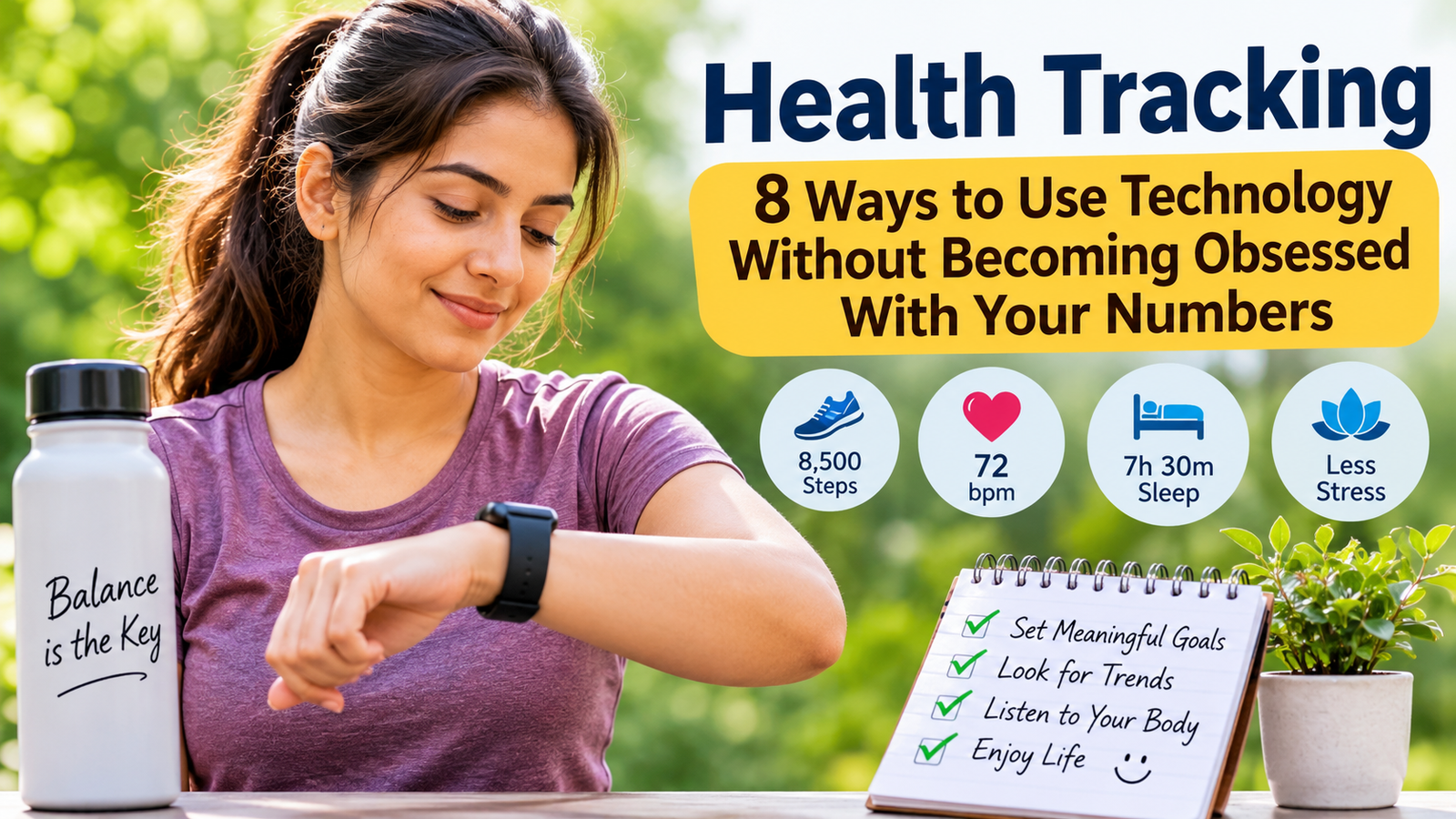
Health tracking is becoming part of everyday life. From smartwatches and fitness bands to sleep-monitoring apps and AI-powered wellness tools, technology is changing how people understand their health. A quick glance at a wrist can now reveal step counts, heart rate, sleep duration and other personal measurements.
This growing interest reflects a wider shift towards preventive and personalised healthcare. A recent PwC report found that around 90% of Indian consumers use health apps or wearable devices. However, greater access to health information does not automatically lead to better well-being.
For some people, tracking progress becomes another source of pressure. They may feel disappointed when they miss a step target, worry about a poor sleep score or repeatedly check their heart rate. Instead of feeling healthier, they become more anxious about their measurements.
The real purpose of health technology should be to support healthier choices, not create another standard to meet. Here are eight practical ways to use digital health tools while protecting your peace of mind.
1. Remember That Numbers Do Not Define Your Health
Health apps provide useful information, but they cannot describe your entire physical or emotional condition.
For example, a sleep tracker might report fewer hours of rest than usual. However, that number does not explain everything that happened during the night. Stress, environmental conditions, interruptions and individual differences can all influence sleep.
Similarly, a daily step count cannot measure every benefit of physical activity. A relaxing walk, stretching session or enjoyable activity may support your well-being even when it does not meet a specific target.
Treat measurements as information rather than a final judgement. Your overall health involves physical comfort, emotional balance, energy levels and daily functioning.
2. Choose Health Tracking Goals That Matter to You
Technology makes it easy to collect dozens of measurements. Nevertheless, tracking everything can quickly become overwhelming.
Instead, identify one or two areas you genuinely want to improve. Perhaps you want to become more active, establish a consistent sleep schedule or take regular breaks during work.
Choose a tool that supports those priorities.
For instance, someone who wants to walk more might benefit from a simple step counter. Another person trying to improve their sleep routine may prefer recording bedtime and waking time rather than monitoring every sleep-stage measurement.
Personal goals should guide your technology choices. You do not need to follow every feature simply because your device offers it.
3. Avoid Checking Your Data Constantly
Frequent monitoring can turn a helpful habit into an unnecessary distraction.
Checking your heart rate, sleep score or activity progress every few minutes may interrupt your concentration. It can also encourage you to interpret normal daily changes as problems.
Create specific times to review your information instead. You might check your activity summary once in the evening or review weekly trends on a particular day.
This approach gives you useful feedback without allowing numbers to dominate your attention.
Remember that consistency matters more than constant observation. You can build healthier habits without repeatedly checking whether they are working.
4. Focus on Long-Term Patterns Instead of Daily Scores
Health measurements naturally fluctuate. Your activity levels may change because of work commitments, weather, travel or personal responsibilities.
One difficult night does not necessarily indicate a sleep problem. Likewise, missing an exercise target for a day does not erase your previous progress.
Look for patterns over several days or weeks. Are you gradually becoming more active? Are you maintaining a more consistent bedtime? Do you feel more energetic after introducing regular movement?
These observations provide a more balanced picture than reacting to individual scores.
Long-term patterns also encourage patience. Sustainable improvements usually develop through repeated actions rather than perfect daily performance.
5. Do Not Let Technology Replace Your Body’s Signals
Wearables can measure certain physical indicators, but they cannot fully understand how you feel.
You might reach your activity target while still feeling exhausted. Alternatively, your device may suggest that you have not been sufficiently active even though you completed a physically demanding day.
Pay attention to your body’s signals alongside digital information.
Notice your energy, hunger, comfort, mood and need for rest. If you feel unusually tired, taking a break may be more useful than forcing yourself to complete another target.
Technology should complement personal awareness. It should not become the only authority you trust when making everyday wellness decisions.
6. Be Careful With AI-Generated Health Advice
AI-powered applications can help people organise information, understand general health concepts and prepare questions for healthcare professionals.
However, automated suggestions are not the same as a medical assessment. An AI tool may not have your complete medical history, personal circumstances or the clinical information required to make an accurate recommendation.
Use these tools thoughtfully. Verify important health information through reliable sources and qualified professionals.
Avoid changing medication, ignoring symptoms or starting restrictive health routines solely because an application recommends them.
Digital convenience is valuable, but responsible health decisions still require appropriate expertise.
7. Protect Your Mental Well-Being From Comparison
Fitness applications and social platforms often encourage people to share achievements, daily activity and personal progress.
Although these communities can provide motivation, constant comparison may create unrealistic expectations.
Someone else’s running distance, sleep schedule or fitness routine does not determine what is appropriate for your circumstances. People have different responsibilities, abilities, health needs and starting points.
Set personal benchmarks instead of competing with strangers online.
You can also reduce unnecessary notifications and avoid following accounts that make you feel inadequate about your progress.
Wellness should help you feel more capable and comfortable in your daily life. It should not become another competition.
8. Make Space for Technology-Free Wellness
Not every healthy activity needs to be measured.
Walking outdoors without checking your phone, enjoying a meal without tracking every ingredient, spending time with family or practising relaxation can all contribute to a balanced lifestyle.
These experiences remind you that well-being is more than a collection of statistics.
Try setting aside small periods during the day when you do not check your device. Use that time to enjoy an activity without worrying about its measurable benefits.
A healthier relationship with technology includes knowing when to use it and when to step away.
Why Balance Matters More Than Perfect Tracking
Digital health tools can make personal wellness information easier to understand. They can help people notice routines, recognise patterns and stay motivated.
However, the growing availability of measurements also creates a responsibility to use them wisely.
A healthy lifestyle cannot be reduced to a perfect sleep score, a fixed number of steps or a daily activity target. Real progress also includes feeling rested, managing stress, maintaining meaningful relationships and making choices that fit your circumstances.
For people experiencing stress or mental overload, simple practices such as journaling can offer another way to understand daily experiences. Reflecting on emotions and routines can complement the information provided by digital tools.
The goal is not to reject technology. It is to make sure technology serves your well-being rather than controlling your decisions.
Frequently Asked Questions On Health Tracking
1. Is tracking health with a smartwatch beneficial?
It can be useful for monitoring general activity, recognising patterns and supporting personal goals. However, readings are estimates and should not replace professional medical advice.
2. Can health tracking increase anxiety?
For some individuals, frequent checking, worrying about scores or comparing results can increase stress. Setting boundaries around monitoring may help create a healthier relationship with technology.
3. Should I follow every recommendation from a health app?
No. Consider whether the recommendation is relevant to your circumstances. For medical concerns or significant health decisions, consult a qualified healthcare professional.
4. How often should I check my health data?
There is no universal schedule. Reviewing relevant information periodically, rather than constantly, may help you notice patterns without becoming distracted by daily fluctuations.
5. What matters more: health data or how I feel?
Both can provide useful information. Measurements may reveal patterns, while your personal experience helps you understand how you are functioning. Neither should be considered the complete picture on its own.
Final Thoughts On Health Tracking
Health technology is changing how people approach everyday wellness. Yet, more information does not always mean better decisions.
Use your devices to support meaningful goals, recognise long-term patterns and make informed choices. At the same time, protect your attention, respect your body’s needs and avoid comparing your progress with others.
The best health-tracking routine is not the one that measures everything. It is the one that helps you live better without making you worry about every number.