
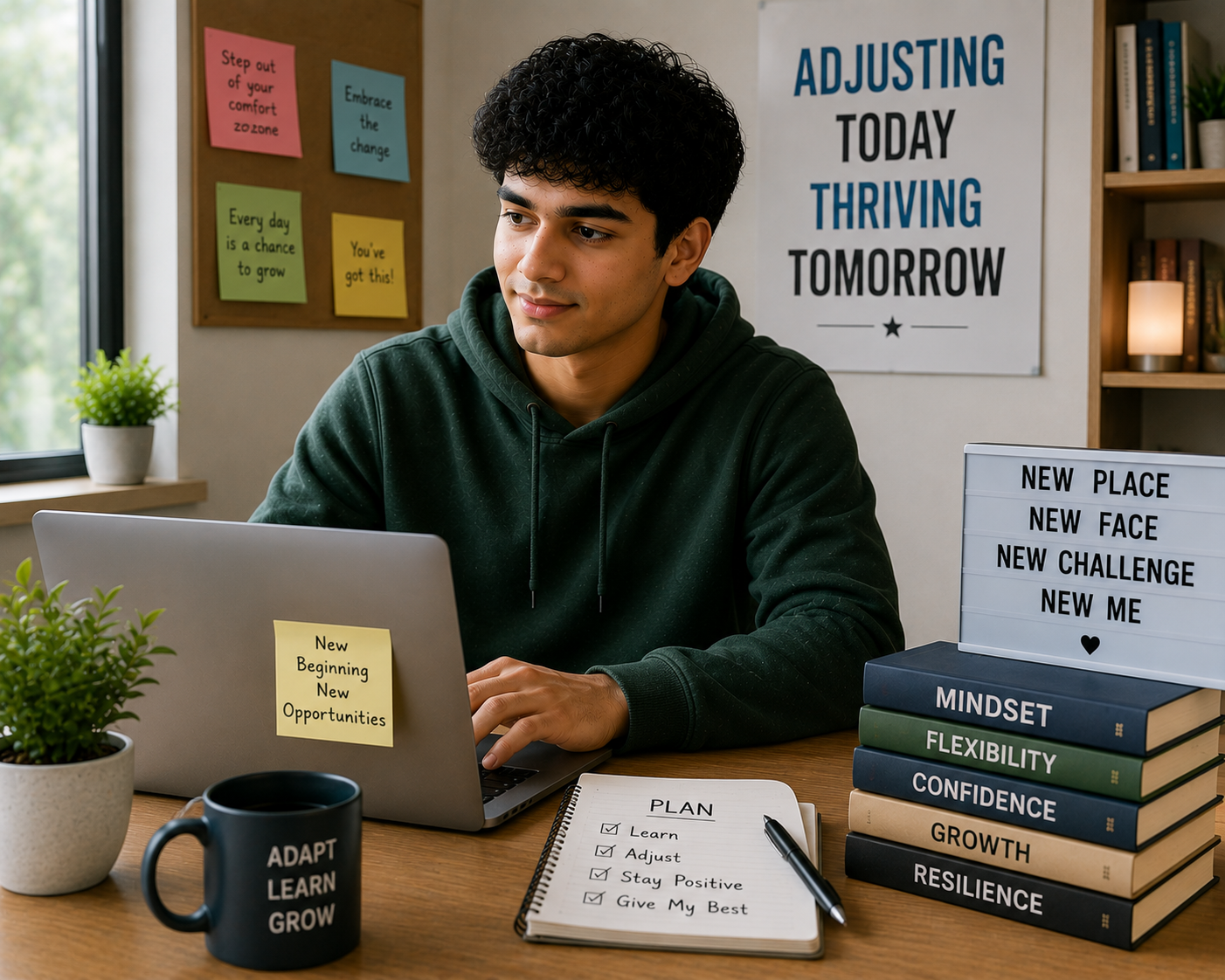
Change is a normal part of life. Plans shift, responsibilities grow, opportunities appear, and unexpected situations can affect your daily routine. Learning how to become more adaptable can help you respond to these changes without losing sight of what matters.
Being adaptable does not mean accepting every change without question. Instead, it means being willing to adjust your plans, actions, or approach when circumstances require it. This skill can help students, professionals, and anyone dealing with changes in everyday life.
You may not control every situation, but you can control how you respond to it.
What Does It Mean to Become More Adaptable?
Adaptability means adjusting your thoughts, behavior, plans, or methods when circumstances change.
An adaptable person does not necessarily enjoy every unexpected development. However, they can recognize when an old approach is no longer useful and look for another way forward.
For example, your study schedule may stop working because your class timetable changes. Rather than giving up on your academic goal, you can create a new schedule that fits your current routine.
The goal can remain the same even when the method changes.
8 Ways to Become More Adaptable
1. Expect Plans to Change
A plan can give you direction, but it cannot predict everything that will happen.
Appointments may be moved. Deadlines can change. New responsibilities may appear. Other people may also make decisions that affect your plans.
Instead of treating every change as a failure, leave some room for adjustment.
When you expect that plans may need to change, unexpected events can feel easier to manage. You can prepare carefully while still allowing yourself to adapt when necessary.
2. Focus on Your Main Goal
When something changes, it is easy to become attached to the original plan.
Take a step back and ask yourself what you are actually trying to achieve.
If the goal is still important, consider whether another method could help you reach it.
For instance, a student may want to complete a course successfully even when their preferred study schedule becomes impossible. Similarly, a professional may still want to finish a project after the original strategy stops working.
Keeping your main objective in mind makes it easier to change your approach.
3. Practise Making Small Adjustments
You do not need a major life change to practise adaptability.
Start with everyday situations. Try a different route, learn a new tool, change your study space, or organize your tasks in another way.
These small experiments can show you that changing your usual approach does not always create problems.
Over time, becoming more comfortable with small adjustments can make larger transitions easier to handle.
4. Stay Curious About Change
Unfamiliar does not always mean worse.
A new workplace system, environment, routine, or responsibility may seem inconvenient simply because you have not used it before.
Instead of rejecting it immediately, take time to understand it.
Ask questions. Explore the new option. Notice what works well and what needs improvement.
Curiosity does not mean accepting every change. Rather, it gives you a chance to understand the situation before deciding how to respond.
How to Become More Adaptable in Everyday Life
5. Learn From Changes You Have Already Managed
Think about situations where you successfully adjusted to something new.
Perhaps you moved to a different place, learned an unfamiliar skill, started a new role, or changed your daily routine.
Consider what helped you during that period.
Maybe you asked someone for guidance. Perhaps you gave yourself time to adjust. You may also have broken the change into smaller steps.
These past experiences can remind you that you have already handled unfamiliar situations successfully.
6. Pause Before You React
Unexpected changes can trigger frustration.
You may immediately think that the new situation will create problems or that your original plan was better.
Before reacting, pause and gather the facts.
Ask yourself:
- What has actually changed?
- What information do I have?
- What options are still available?
- What needs attention right now?
A short pause can help you respond thoughtfully instead of reacting to your first emotional response.
7. Build Skills That Support Adaptability
Useful skills can make changing circumstances easier to manage.
Communication, organization, problem-solving, learning, and decision-making can all support flexibility.
For example, someone who is comfortable learning unfamiliar software may find a new workplace system less intimidating.
Likewise, a person with good organizational skills may find it easier to adjust when several responsibilities change at once.
Building transferable skills gives you more options when circumstances shift.
Becoming More Adaptable During Difficult Transitions
8. Accept That Discomfort Is Part of Change
A new situation may feel uncomfortable even when the change eventually turns out well.
You might feel nervous during the first few days of a new routine. An unfamiliar environment can also make you question whether you made the right decision.
That discomfort does not automatically mean something is wrong.
Give yourself time to adjust. Focus on learning rather than expecting yourself to feel confident immediately.
Familiarity usually develops through experience.
How to Become More Adaptable as a Student
Students regularly face changes.
New subjects, different teachers, changing schedules, examinations, group projects, internships, and career decisions can all require flexibility.
An adaptable student does not need to have everything figured out.
When something changes, reassess your priorities and modify your approach.
If a study method is not producing good results, try another. When a schedule becomes unrealistic, reorganize it. If a group project takes an unexpected direction, communicate with your team and decide on the next practical step.
Flexibility can make academic challenges easier to manage.
How to Become More Adaptable at Work
Workplaces can change quickly.
New technology, management structures, responsibilities, processes, and priorities may require you to learn different ways of working.
Instead of viewing every change as a disruption, consider what the new situation requires.
You may need to learn a tool, communicate with a different team, change your priorities, or develop a new skill.
When expectations are unclear, ask useful questions.
Adapting does not mean lowering your professional standards. It means finding a practical way to maintain those standards when circumstances change.
Adaptability Does Not Mean Losing Your Values
Being flexible does not mean changing everything about yourself whenever circumstances shift.
Your values, boundaries, and important priorities can remain stable.
What changes is the way you respond.
For example, you may value reliability while changing how you organize your schedule. You may value learning while adjusting to a new educational environment.
You can also value healthy relationships while changing how you communicate during a difficult situation.
Adaptability is healthier when it works alongside a clear understanding of what matters to you.
What to Do When Change Feels Overwhelming
Sometimes several changes happen at the same time.
Trying to adjust to everything at once can make manageable problems feel much larger.
Break the situation into smaller parts.
First, identify what needs attention immediately. Next, decide what can wait. Then choose one practical action.
You do not need to solve an entire transition in one day.
Once one part becomes manageable, move to the next.
This approach can give you a stronger sense of direction when everything feels uncertain.
Adaptability Does Not Mean Constantly Changing Direction
Being adaptable does not mean changing your plans whenever something becomes difficult.
Some challenges require patience rather than a new strategy.
Before changing direction, ask yourself whether the current approach is truly unsuitable or whether it simply feels uncomfortable because you are still learning.
Consider these questions:
- Is the problem temporary?
- Can the current approach improve?
- Is the goal still meaningful?
- What information would help me decide?
Thoughtful flexibility is different from constantly abandoning plans.
Simple Ways to Practise Adaptability Every Day
You can strengthen adaptability through small daily choices.
Try changing one part of your routine occasionally. Learn something unfamiliar. Ask for feedback. Listen to another person’s approach. Try solving a familiar problem in a different way.
When something does not go according to plan, pause before deciding that it has gone wrong.
Instead, ask:
What can I adjust?
This question shifts your attention from frustration toward action.
Over time, these small habits can make it easier to respond when bigger changes occur.
Final Thoughts
Learning to become more adaptable can help you handle change with greater confidence and clarity.
Expect plans to change while keeping your main goals in sight. Practise small adjustments, stay curious about unfamiliar experiences, and learn from situations you have successfully managed before.
When something unexpected happens, pause before reacting. Gather information, consider your options, and decide what needs to change.
You do not have to enjoy every transition.
You also do not need to know exactly what will happen next.
What matters is your willingness to learn, adjust, and continue moving forward.
Adaptability is not about becoming a completely different person whenever life changes. It is about finding practical ways to respond while staying connected to your values and priorities.
The next time something does not go according to plan, try asking:
“What can I adjust?”
That small shift can help you move from frustration toward a more useful response.
For more practical guidance on personal growth, explore Building Self-Awareness.
For additional information about managing stress and adapting to life changes, visit the American Psychological Association.
Frequently Asked Questions
1. What Does It Mean to Become More Adaptable?
It means learning to adjust your plans, behavior, or approach when circumstances change while continuing to work toward meaningful goals.
2. Can Adaptability Be Learned?
Yes. You can develop adaptability by practising small adjustments, learning new skills, staying curious, and reflecting on how you handled previous changes.
3. How Can Students Become More Adaptable?
Students can try different learning methods, reorganize their schedules, ask questions, and remain open to unfamiliar academic experiences.
4. Does Being Adaptable Mean Accepting Every Change?
No. Adaptability means adjusting when appropriate while maintaining your values, reasonable boundaries, and important priorities.
5. How Can I Handle Sudden Changes More Effectively?
Pause before reacting, understand what has changed, identify what you can influence, and focus on the next practical action rather than trying to solve everything immediately.